
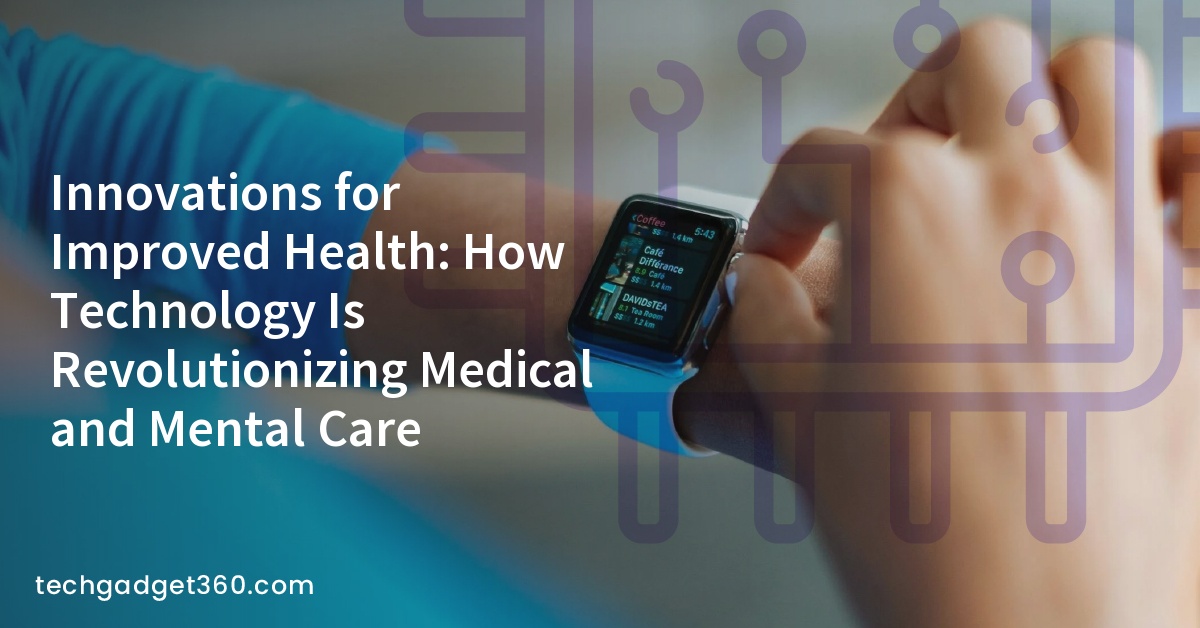
Exploring Innovations for Improved Health
Innovations for improved health are reshaping medical care and mental health treatments. Here’s a closer look at these advancements.
Technological Advances in Medical Care
Technological advances are revolutionizing medical care. Wearable devices, like fitness trackers and smartwatches, allow individuals to monitor vital signs in real-time. These devices can detect irregularities and alert users to seek professional care, potentially preventing serious health issues.
Artificial intelligence (AI) plays a pivotal role in diagnostics. AI algorithms analyze medical images, identifying anomalies faster and more accurately than traditional methods. For instance, Google’s DeepMind developed an AI system that outperforms radiologists in detecting breast cancer in mammograms.
Telehealth services improve accessibility. Virtual consultations reduce the need for in-person visits, making healthcare more convenient. According to the American Medical Association, telehealth usage soared by 53% from 2020 to 2021, highlighting its growing importance.
Personalized medicine tailors treatment plans based on genetic information. Genomic sequencing provides insights into an individual’s unique genetic makeup, enabling customized therapies. For example, medications for cancer patients can be adjusted based on their genetic profile, improving treatment efficacy.
Breakthroughs in Mental Health Treatments
Mental health treatments are seeing significant breakthroughs. Digital therapeutics provide app-based interventions for managing conditions like anxiety and depression. These apps offer cognitive behavioral therapy (CBT) techniques, guided meditation, and mood tracking.
Virtual reality (VR) therapy treats various mental health disorders. VR exposure therapy helps individuals confront and manage phobias or PTSD in a controlled environment. A study published in the Journal of Anxiety Disorders found that VR therapy reduced anxiety symptoms in 70% of participants.
Neurofeedback training allows individuals to regulate brain function. By providing real-time feedback on brain activity, users learn to modify their brain waves, which can alleviate symptoms of ADHD or insomnia. Research in the Journal of Neurotherapy shows that neurofeedback is effective in reducing ADHD symptoms by up to 50%.
Innovative pharmaceuticals offer new hope. Psilocybin, a compound found in magic mushrooms, shows promise in treating severe depression. Clinical trials by institutions like Johns Hopkins University demonstrate that psilocybin provides long-lasting relief from depressive symptoms.
These innovations in medical and mental health treatments are transforming our healthcare landscape, offering new ways to improve our well-being.
The Role of Artificial Intelligence in Healthcare
Artificial intelligence (AI) is transforming healthcare by improving diagnostic accuracy, personalizing treatments, and enhancing operational efficiency.
AI in Diagnostic Procedures
AI significantly enhances diagnostic procedures. Deep learning algorithms, such as those used by Google’s DeepMind, exceed human performance in detecting diseases like breast cancer. These algorithms analyze medical images, identifying anomalies that might escape a human eye. According to a 2019 study by JAMA Network, AI systems achieved a 94% accuracy rate in diagnosing breast cancer from mammograms, compared to 88% by radiologists. Another example is IBM Watson, which assists in diagnosing complex conditions by sifting through vast medical data swiftly.
AI in Personalized Medicine
AI enables personalized medicine by analyzing genetic information, patient histories, and treatment outcomes. This approach helps tailor treatments to individual needs, improving efficacy and reducing side effects. For instance, AI algorithms in genomic research identify mutations linked to diseases and predict patient responses to specific drugs. This technology has markedly improved outcomes in cancer treatment. A study by Nature Medicine revealed that an AI-based tool predicted the best treatment for metastatic breast cancer with 77% accuracy. This level of personalization paves the way for more precise and effective healthcare solutions.
Innovations like these demonstrate the transformative potential of AI in healthcare, making medical care more accurate, tailored, and efficient.
Impact of Telemedicine on Patient Care
Telemedicine revolutionizes patient care by offering medical services remotely through digital platforms. It significantly enhances accessibility and convenience, especially for underserved communities.
Accessibility and Convenience
Telemedicine bridges gaps in healthcare access. Patients receive consultations without traveling long distances. Rural areas and those with mobility issues benefit the most. For instance, patients in remote locations access specialists previously unavailable in their regions. This reduces travel costs and time off work, making healthcare more convenient.
Remote Monitoring and Chronic Condition Management
Telemedicine facilitates ongoing health monitoring. Chronic conditions such as diabetes and hypertension require frequent check-ins. Remote monitoring tools like connected blood pressure cuffs and glucose monitors transmit data in real-time to healthcare providers. Through these technologies, patients receive timely interventions, preventing complications and hospital admissions.
Innovative Health Apps and Wearables
Innovative health apps and wearables drive significant improvements in healthcare. They provide real-time data, improve fitness tracking, and support mental wellness.
Fitness Tracking and Health Monitoring
Modern wearables track fitness metrics like steps, heart rate, and sleep patterns. Devices like Fitbit and Apple Watch offer comprehensive health monitoring, ensuring users maintain optimal levels of physical activity. Fitness apps like MyFitnessPal and Strava complement these devices by providing diet tracking, workout plans, and community support, enhancing overall health engagement. By incorporating continuous monitoring, these tools help identify irregularities that might indicate underlying health issues.
Apps for Mental Wellness and Meditation
Mental wellness apps offer guided meditation, mindfulness exercises, and stress management techniques. Apps like Headspace and Calm provide structured meditation programs designed to reduce anxiety, improve focus, and promote better sleep. They incorporate features like mood tracking and mental health check-ins to offer personalized experiences. Leveraging these apps helps users adopt healthier mental habits and manage stress more effectively in daily life.
These innovations in health apps and wearables enable individuals to take proactive steps in maintaining their physical and mental health, contributing to overall well-being.
Conclusion
The landscape of healthcare is rapidly evolving thanks to groundbreaking innovations. AI-driven diagnostics telemedicine and health apps are transforming how we approach both physical and mental well-being. These advancements empower us to take proactive steps in managing our health offering unprecedented accuracy and convenience. As we continue to embrace these technologies we can look forward to a future where healthcare is more personalized efficient and accessible for everyone.

Bob Harding a tech enthusiast and visionary, brings a wealth of knowledge in smart home technologies and IoT innovations. With a background in engineering and a passion for sustainable living, Bob offers a unique perspective on integrating technology into everyday life. Stay tuned for his insightful articles that navigate the exciting world of smart home advancements.