
Evolution of Home Security Systems
Home security has significantly evolved over the years. Technology has played a crucial role in this transformation.
From Traditional Locks to Advanced Technology
Initially, home security relied on basic mechanical locks. These locks provided minimal protection against determined intruders. Today, advanced technology integrates with these basic systems to provide enhanced security. Smart locks offer keyless entry, allowing homeowners to control access via smartphones. Biometric systems use fingerprints and facial recognition to grant access, ensuring only authorized individuals enter.
Impact of Technological Advancements on Security
Technological advancements have revolutionized home security. Smart cameras provide 24/7 monitoring, offering real-time video feeds via mobile devices. Motion sensors detect unusual activities and send instant alerts. AI-driven systems analyze data to predict potential threats, enhancing preventive measures. Home automation systems integrate with security devices, enabling seamless control over the entire security network from a single interface.
Key Technologies Transforming Home Security
Advancements in technology are revolutionizing home security, offering improved ways to protect our homes against threats.
Smart Locks and Access Controls
Smart locks provide keyless entry, using personal identifiers like PIN codes, fingerprints, or smartphone authentication. These systems enhance security by eliminating physical keys, which can be lost or duplicated. Biometric access controls, used in systems like Apple’s Touch ID or Samsung’s fingerprint scanners, add an additional layer by ensuring only authorized individuals can enter.
Surveillance Cameras and Drones
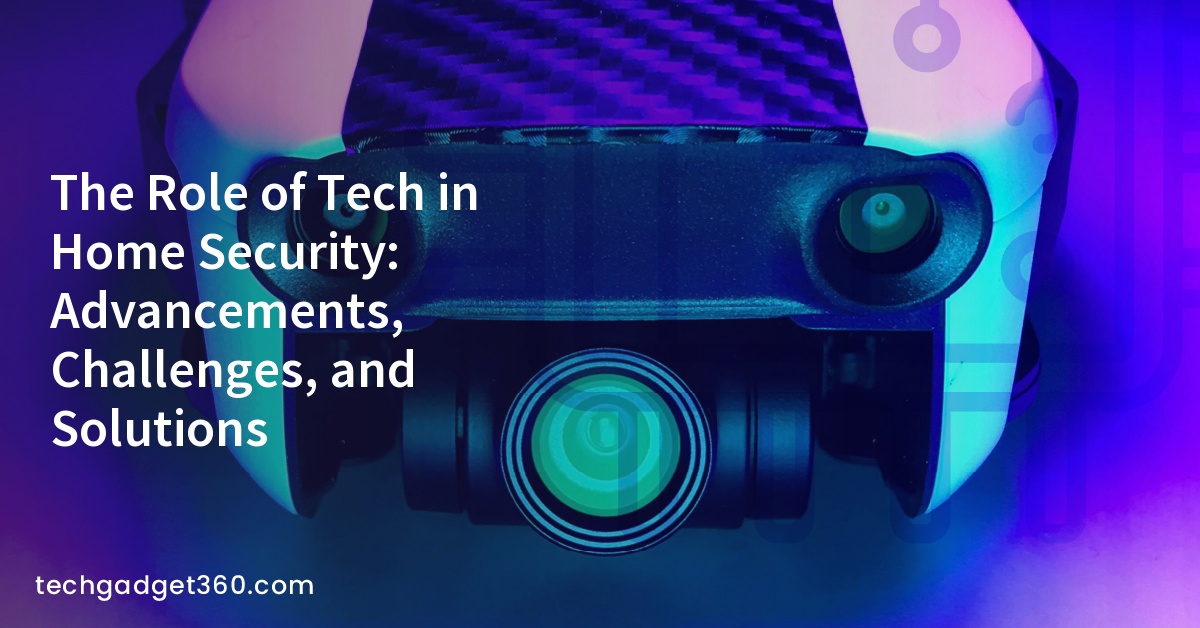
Surveillance cameras offer high-resolution video, cloud storage, and real-time monitoring via smartphones. Brands like Ring and Nest allow homeowners to watch over their properties from anywhere. Drones equipped with cameras extend surveillance capabilities to larger areas or hard-to-reach spots, covering more ground than fixed cameras.
Home Automation Systems
Home automation systems integrate security features with smart home devices, creating a unified system. Platforms like Google Home and Amazon Alexa allow for voice-activated alarms, smart locks, and camera feeds, enhancing convenience without compromising safety. These systems often include AI-driven analytics to notify us of unusual activity, making our homes smarter and more secure.
Benefits of Integrating Technology in Home Security
Integrating technology into home security systems offers significant advantages. The benefits range from enhanced security and real-time monitoring to increased convenience and remote access.
Enhanced Security and Real-Time Monitoring
Advanced tech offers enhanced security features. Smart cameras, for example, provide continuous monitoring and can send real-time alerts to homeowners. Motion sensors detect unusual activities and trigger alarms. AI-driven analytics predict potential threats by assessing patterns in the captured data. Biometric systems, like fingerprint and facial recognition, ensure only authorized individuals access the property. Integration with mobile apps allows us to monitor our homes anytime, anywhere, ensuring constant vigilance.
Convenience and Remote Access
Tech integration brings unparalleled convenience. Smart locks facilitate keyless entry, using PIN codes or biometric data, eliminating the need for physical keys. Remote access capabilities ensure we can control and monitor our security systems via smartphones or tablets, even when away from home. Home automation systems enable voice-activated commands to lock doors, arm alarms, and check camera feeds. Thus, we enjoy both ease of use and heightened security, making everyday interactions with our home protection systems seamless and efficient.
Challenges and Considerations
Integrating technology into home security systems brings several challenges. Many factors need consideration to ensure these systems’ optimal effectiveness and reliability.
Privacy Concerns
Privacy becomes a significant issue with advanced home security systems. Smart cameras, motion sensors, and biometric data (fingerprints, facial recognition) collect vast amounts of information. Unauthorized access or data breaches risk personal data exposure. Users must ensure that devices comply with stringent data protection regulations. For example, enabling two-factor authentication and regular software updates enhance security. Manufacturers should also provide transparent privacy policies and robust encryption protocols.
Dependence on Technology and Power
Relying on technology for home security makes us dependent on power and internet connectivity. Any power outage or network disruption can compromise security system functionality. Back-up solutions, such as battery-powered systems and offline functionality, are crucial. We also need to maintain equipment, ensuring batteries are charged and firmware is updated. For instance, many smart locks and cameras now offer battery backups extending their operational time during power failures.
Conclusion
Embracing technology in home security offers unparalleled benefits and conveniences. While challenges like privacy concerns and reliance on connectivity exist, they’re manageable with proper safeguards. By staying informed and proactive, we can leverage these advancements to create safer and smarter homes. Let’s continue to prioritize regular maintenance and updates to ensure our security systems remain robust and reliable.

Bob Harding a tech enthusiast and visionary, brings a wealth of knowledge in smart home technologies and IoT innovations. With a background in engineering and a passion for sustainable living, Bob offers a unique perspective on integrating technology into everyday life. Stay tuned for his insightful articles that navigate the exciting world of smart home advancements.